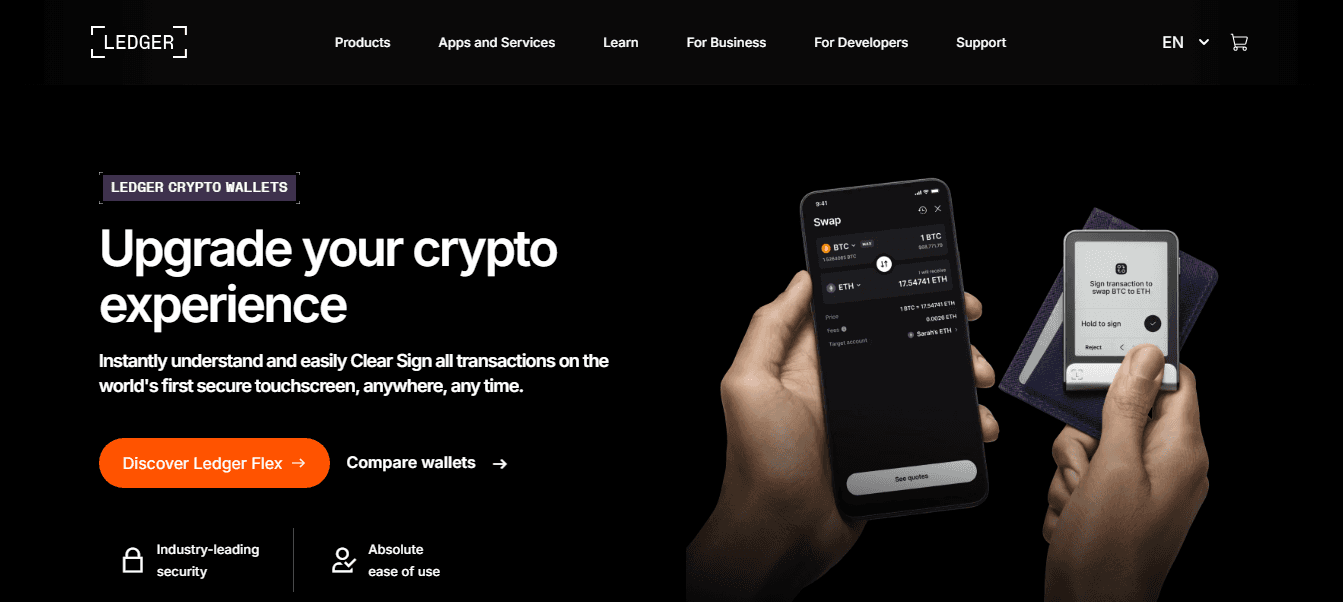
Ledger.com/Start – A Safe and Trusted Beginning for Ledger Wallet Users
Storing cryptocurrency securely is essential in today’s digital environment. As cyber threats continue to evolve, relying on exchanges or basic online wallets can put digital assets at risk. Ledger hardware wallets are designed to protect cryptocurrencies by keeping private keys offline. Ledger.com/start is the official starting point created to help users set up their Ledger devices correctly and securely.
This article explains the role of Ledger.com/start, the setup journey, and how it supports long-term crypto protection.
What Is Ledger.com/Start?
Ledger.com/start is the official onboarding platform for Ledger hardware wallet owners. It provides structured guidance that helps users initialize their devices using authentic Ledger software and trusted instructions.
The purpose of this platform is to ensure that:
The Ledger device is configured properly
Official firmware is installed safely
Wallet creation or recovery follows secure steps
Users understand key security principles
Starting with the correct setup process reduces the chance of mistakes that could compromise wallet safety.
Why Using the Official Setup Page Is Critical
The first setup of a hardware wallet is one of the most sensitive stages of crypto ownership. Using unofficial tools or skipping steps can expose private information or recovery phrases.
Ledger.com/start protects users by:
Preventing interaction with fake wallet software
Reducing phishing and scam risks
Ensuring firmware integrity
Providing verified setup instructions
By following official guidance, users establish a secure foundation from the very beginning.
Getting Started After Unboxing the Device
Once the Ledger device is unboxed, the setup process begins by connecting it to a compatible computer or mobile device. Ledger.com/start provides instructions for installing the official wallet management application required to communicate with the hardware wallet.
During this process, the device checks its firmware status. If firmware is missing or outdated, users are prompted to install the latest version. This step is essential because firmware updates improve security and address potential vulnerabilities.
After firmware installation, users can move forward with wallet creation or restoration.
Creating a New Wallet or Restoring Access
Ledger.com/start supports two secure paths. New users can create a fresh wallet, while existing users can restore their wallet using a previously saved recovery phrase.
When creating a new wallet, all sensitive data is generated inside the Ledger device. When restoring a wallet, the recovery phrase is entered directly on the device, keeping it protected from online exposure. This design ensures that private keys never leave the hardware wallet.
Understanding the Recovery Phrase
The recovery phrase is a unique set of words generated during wallet creation. It serves as the only backup that can restore access to cryptocurrency stored on the Ledger device.
If the device is lost, damaged, or no longer functional, the recovery phrase allows full recovery of assets. Because of its importance, it must be protected carefully.
Best practices include:
Writing the recovery phrase clearly on paper
Storing it in a secure, offline location
Avoiding digital storage of the phrase
Never sharing it with anyone
Anyone with access to this phrase can control the wallet.
Protecting the Device with a PIN Code
During setup, users are required to create a PIN code. This PIN prevents unauthorized physical access to the Ledger device.
The PIN is entered using the device interface, protecting it from keylogging or malware. After multiple incorrect PIN attempts, the device introduces increasing delays, making brute-force access extremely difficult.
A strong PIN adds an essential layer of protection.
Using the Ledger Wallet After Setup
Once setup is complete, users can manage their cryptocurrency securely. Ledger wallets support many digital assets, allowing users to send, receive, and monitor balances confidently.
Every transaction must be approved directly on the Ledger device screen. This physical confirmation ensures that transactions cannot be completed without the user’s consent, even if the connected computer or phone is compromised.
Maintaining Security Over the Long Term
Ledger.com/start helps users begin securely, but long-term protection depends on ongoing habits and awareness.
Recommended security practices include:
Keeping device firmware up to date
Reviewing transaction details carefully
Avoiding unofficial applications or tools
Using trusted devices and networks
Storing the Ledger device securely
Consistent attention to these habits helps prevent accidental loss or theft.
Common Mistakes to Avoid
Many security issues occur due to simple user errors. Common mistakes include storing recovery phrases digitally, rushing through setup instructions, or trusting software that asks for sensitive information.
Another frequent error is ignoring firmware updates, which can leave the device exposed to known risks. Taking time to follow official instructions helps avoid these problems.